

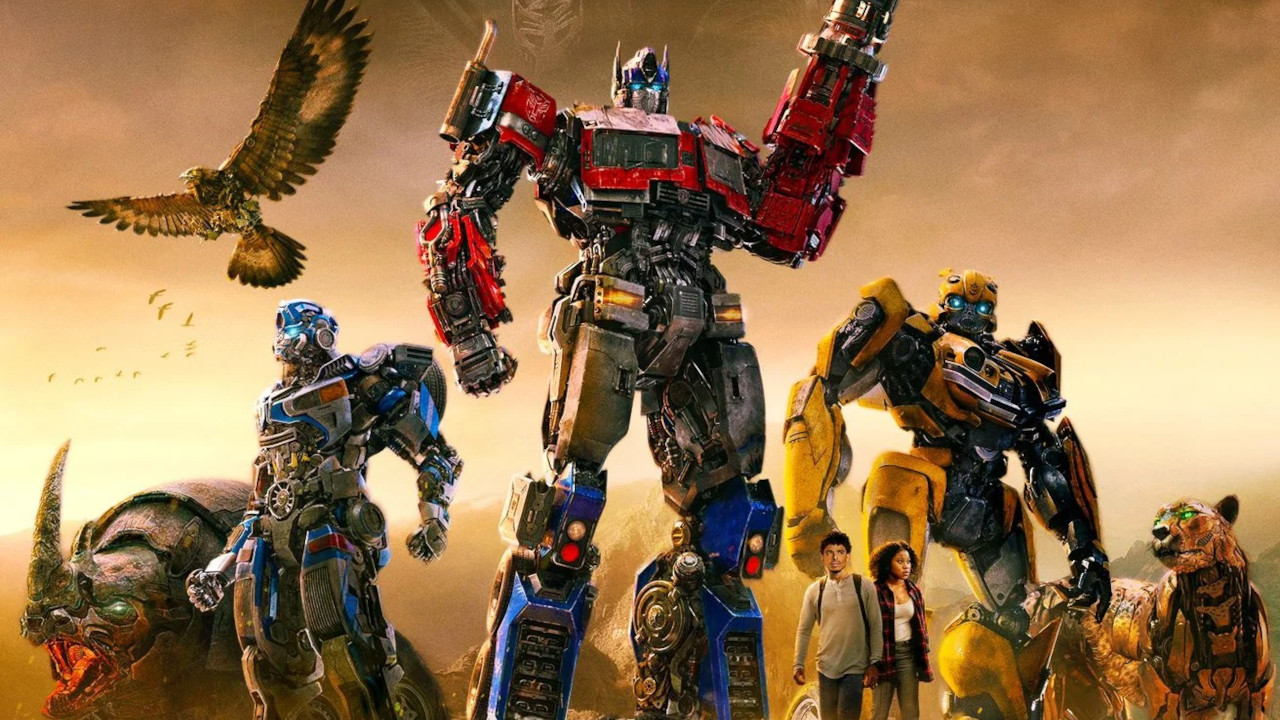
The great thing about the Transformers film franchise has been its ability to largely exist as individual film entries. Not because of any carefully crafted narrative structured to ensure that each movie functions as a standalone, but simply by neglecting any care or concern that would otherwise be taken when producing these movies.
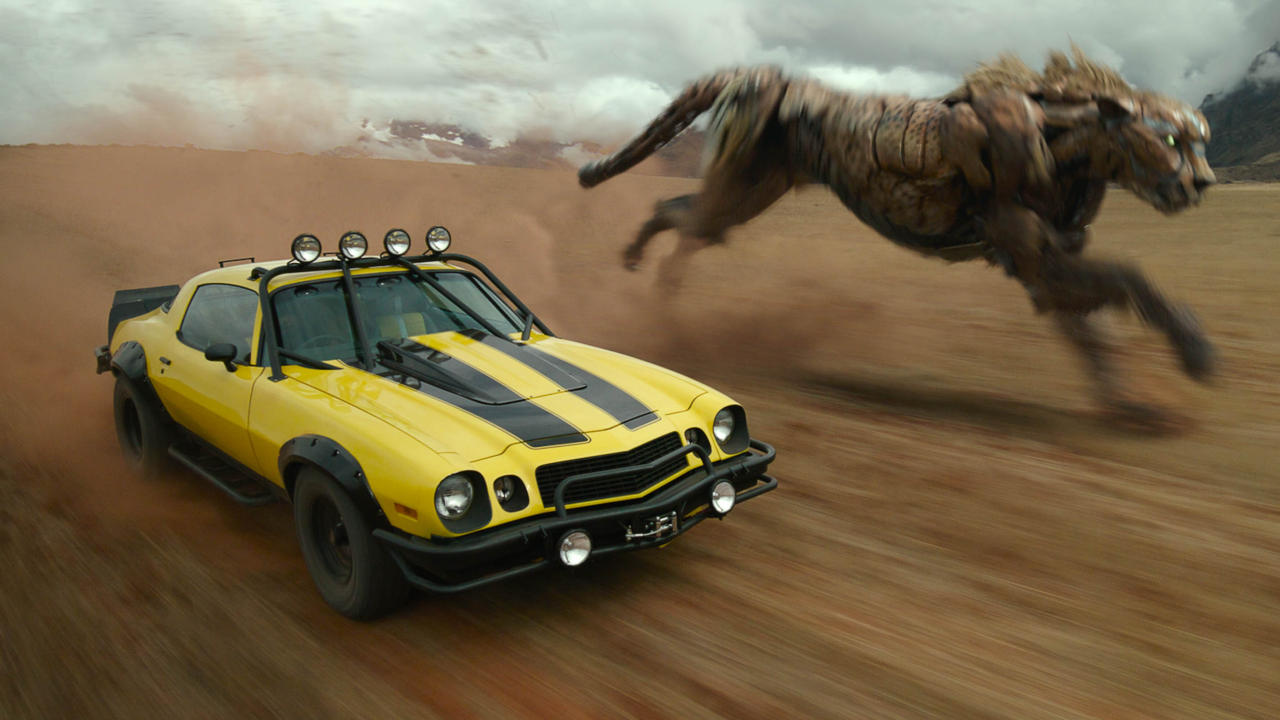
All of that seemed to come to an end with 2018’s Bumblebee. Either prequel or reboot (depending on who you ask), the film finally put a story-first slant as its priority with Kubo and the Two Strings’ director Travis Knight. Unfortunately (and, perhaps, directly because of), its less-than-stellar box office performance, the future for Bumblebee was a tad bleak and resulted in a possible return to the previous series’ storyline.
With a sequel to Bumblebee put into simultaneous development alongside a sixth entry in the Michael Bay series (presumably following the events of 2017’s The Last Knight), the resulting amalgamation of the two concepts is Rise of the Beasts.
While the character-centric story, and some emotional beats as well as the ’90s setting are all clearly derived from Bumblebee, the implementation of the Maximals and re-introduction of Unicron are certainly carry overs from concepts to continue Bay’s overarching ideas.
Nevertheless, somehow, it kinda works.
Perhaps it’s the low bar of expectation thanks to the tail end of Bay’s films, or the return to the excessive robot action that Bumblebee somewhat lacked, or just the overtly silly but charming nostalgia from the first and last Transformers films, but Rise of the Beasts does plenty to unite the strengths of both ends of the franchise’s films.
RELATED: Meet the new powers rising in Rise of the Beasts!
It does, also, adopt some of the weaknesses from the earlier movies. These include sporadic character development of the actual Transformers, with the Maximals entering the fray far too late in the movie. This is only accentuated by the familiar starts and stops in the human characters’ developments, almost entirely in an attempt to force some form of bond between the audience and protagonists in a very stilted manner.
Nevertheless, the quick pacing of the film, coupled with the extensive action sequences, often masks any significant narrative issues. And while Anthony Ramos’ ex-military electronics expert mostly feels to be yet another convenient way to implement a tech/motor-savvy lead, Dominique Fishback’s performance as an overlooked researcher presents a more effective option as the audience analogue.
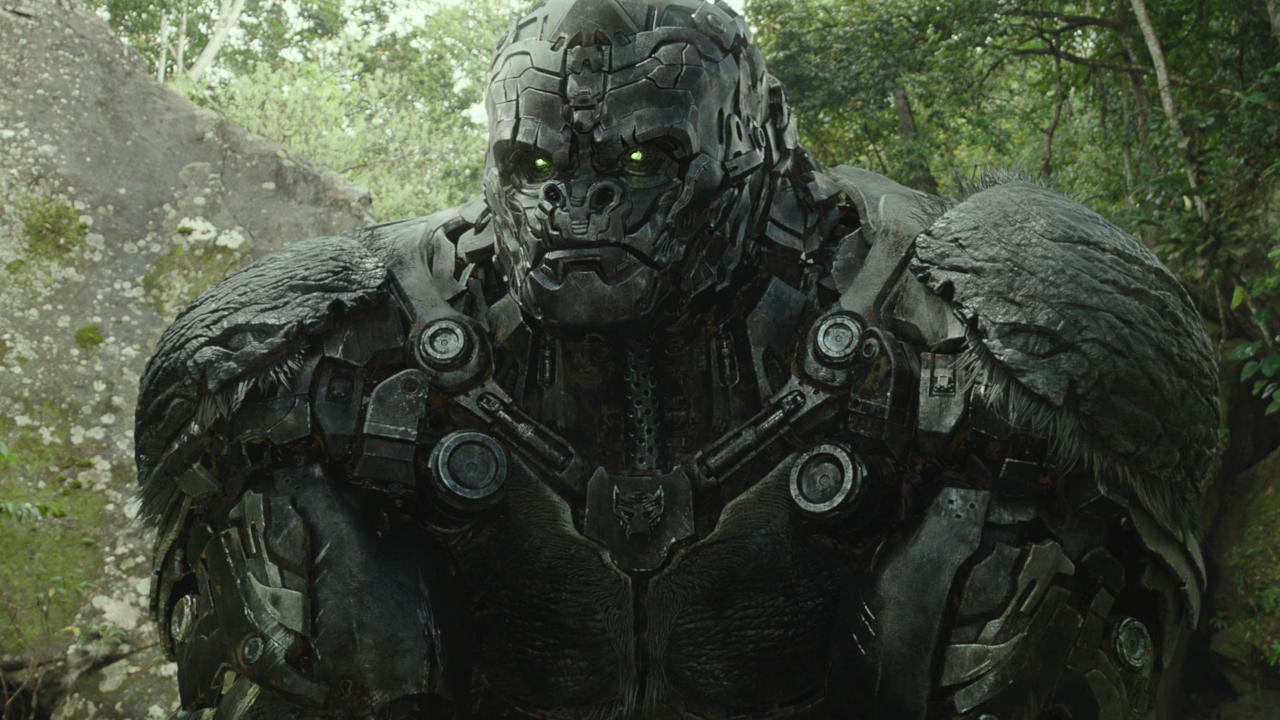

Peter Cullen’s continuing run as Optimus Prime is sadly overshadowed by pretty much everyone else. With the human-liaison Autobot role now falling to Pete Davidson’s Mirage, Rise of the Beasts’ daring attempt at a less wizened Prime isn’t entirely a success, although interesting. Sharing scenes with the imposing and commanding presence of Ron Perlman’s Optimus Primal does little to help with attempting to establish a better-rounded ensemble.
Along with Davidson, Michelle Yeoh’s Airazor and Christo Fernandez’s Wheeljack are both entertaining inclusions. Somehow, the latter two find stronger personalities despite reduced screen time–a trait shared by Peter Dinklage’s intimidating turn as Scourge.

Given the increasingly dynamic performances behind the digital facades, perhaps, one day, fans may be given a Transformers film less reliant on its human character leads. But it’s not this day. If anything, Transformers: Rise of the Beasts doubles down on the inclusion of its human characters, and lays the groundwork for greater involvement in upcoming movies.
To say anything more on that would be an outright spoiler, so we’ll skip ahead to just say: there’s a mid-credit scene that’s worth waiting for.
Transformers: Rise of the Beasts is out on 7th June and is worth a trip to the cinemas for older fans and younger audiences alike.