

Bethesda Game Studios has officially expanded its galactic ambitions, bringing Starfield to the PlayStation 5.
For a game that has spent much of its life tied to the Xbox ecosystem, this release marks a significant shift, opening the doors of the Settled Systems to an entirely new audience while giving existing players plenty of reasons to return.
The PlayStation 5 version is not simply a straight port. Bethesda has leaned into the console’s hardware, integrating features such as adaptive triggers, the DualSense lightbar, and touchpad functionality to enhance immersion.
Those playing on the PS5 Pro can also toggle between performance and visual modes, allowing for either smoother frame rates or richer graphical fidelity depending on preference.
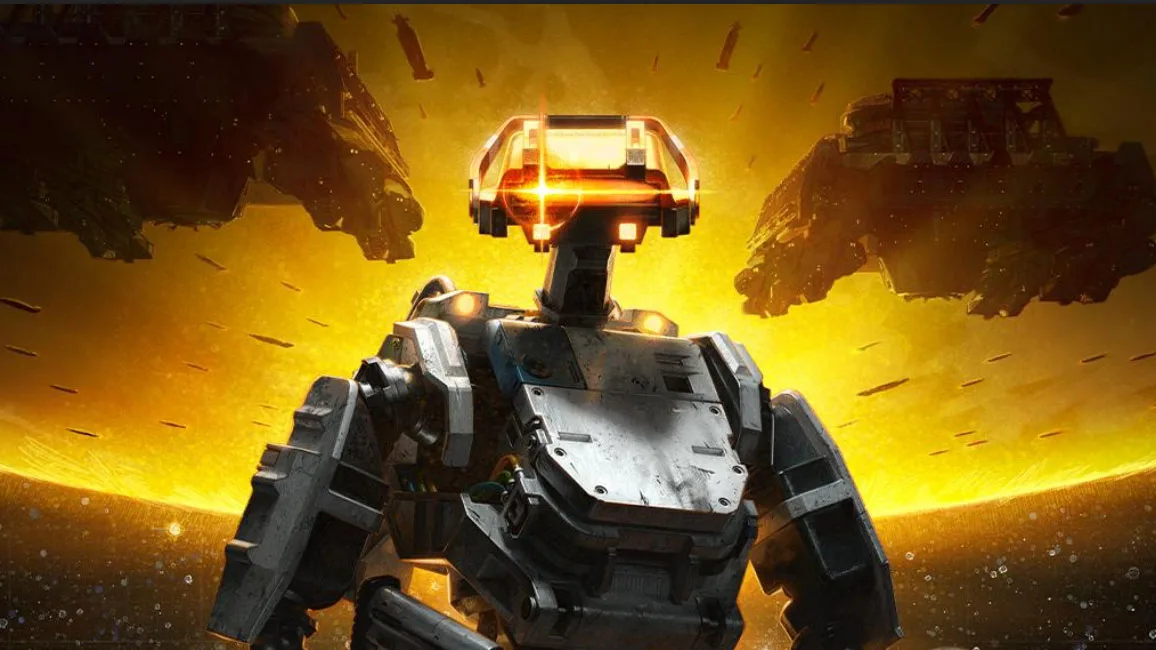
Alongside the platform expansion comes what is easily the most substantial update the game has seen since launch. The new Terran Armada DLC introduces a fresh narrative thread that runs across the Settled Systems, placing players in the middle of a growing conflict against a powerful robotic force.
New characters, locations, and enemies flesh out the storyline, while additional systems and rewards aim to deepen progression. It is a clear attempt to inject new life into the universe, particularly for players who may have already explored its earlier offerings.
Equally significant is the Free Lanes update, a free addition available to all players across platforms. This update fundamentally changes how players navigate space, introducing interplanetary travel within star systems through a new cruise mode.
Rather than relying solely on fast travel, players can now journey between planets more organically, encountering events, activities, and interactions along the way. It is a shift that brings a stronger sense of scale and continuity to the experience, addressing one of the more common criticisms at launch.
The update does not stop there. Bethesda has layered in a range of new features designed to expand both exploration and gameplay depth. Players will find new locations and points of interest scattered across the universe, while the introduction of X-Tech adds another layer to weapon and ship customisation.
Enemy encounters have also been diversified through new modifiers, making combat less predictable and more dynamic.
On the ground, traversal sees a boost with the addition of the Moon Jumper vehicle, while outpost management has been refined with cross-outpost storage and even a new Milliewhale pet to keep things slightly less serious.

Of course, no Bethesda launch would feel entirely complete without a few rough edges. During our time with the PS5 version, there were occasional crashes that required a restart.
Thankfully, these were infrequent enough that they never became a dealbreaker or made the game unplayable, but it is something players should be aware of. On the flip side, the game shines where it matters most.
The visuals are genuinely impressive, with expansive planetary vistas and detailed environments that make exploration feel rewarding, while the storytelling remains as compelling as ever, pulling players deeper into its sprawling sci-fi narrative.
New crew members, including Muria and a mini-bot companion, offer additional narrative and gameplay variety. For those venturing into New Game Plus, improvements now allow a limited number of items to carry through the Unity, giving progression a more tangible sense of continuity.
Perhaps most importantly, these updates collectively reposition Starfield as a more complete and cohesive experience. The base game is now available at USD $49.99 across platforms, lowering the barrier to entry for newcomers while offering a compelling reason for lapsed players to return.
For Bethesda, this moment feels less like a simple platform expansion and more like a relaunch. With a broader player base, a more refined core experience, and meaningful new content, Starfield is stepping into what may well be its most definitive form yet.