

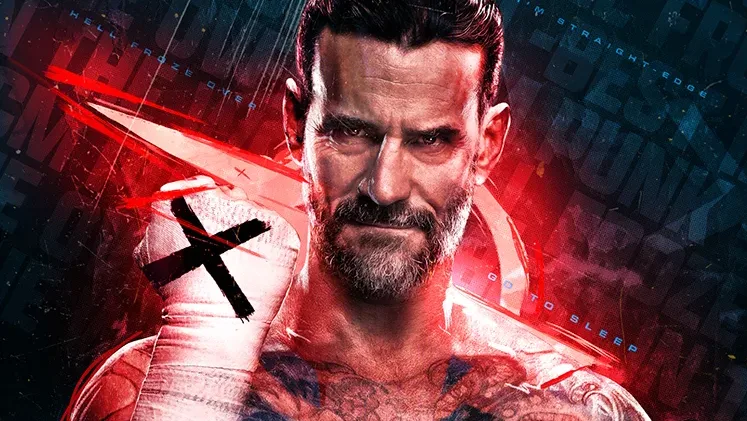
WWE 2K26 feels like a champion who knows exactly what works and refuses to change the formula too much. That is both its biggest strength and its most frustrating weakness.
Coming off a strong run of recent entries, this year’s game builds on a solid foundation rather than reinventing it. The result is a wrestling experience that is polished, content-rich, and consistently fun, but also one that occasionally feels like it is going through the motions.
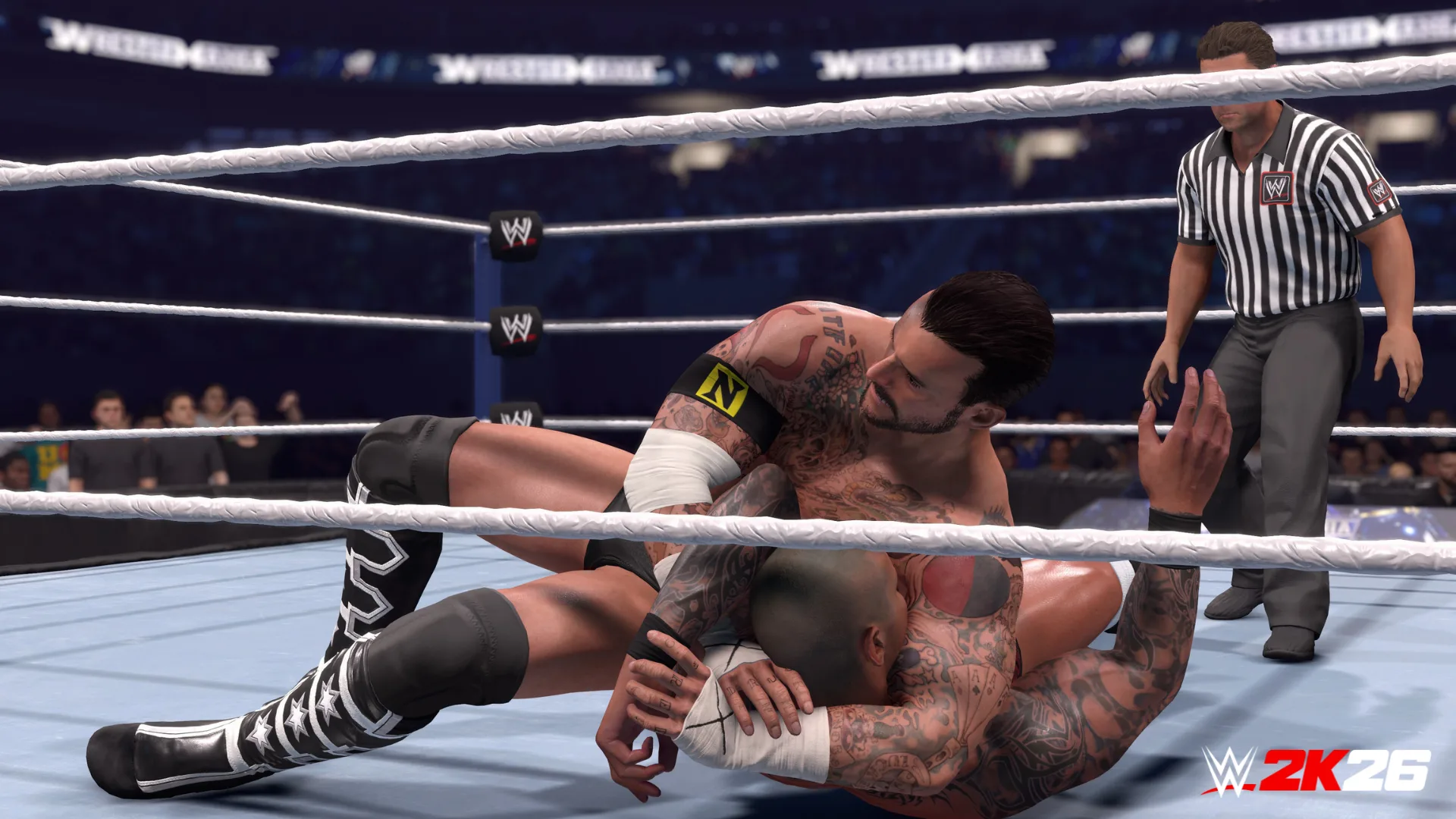
In the ring, however, WWE 2K26 is easily one of the best the series has ever delivered. Matches flow more naturally thanks to smarter pacing systems and improved stamina mechanics that reward timing and strategy over button mashing.
There is a stronger sense of match psychology here, where early decisions and momentum shifts actually matter, making bouts feel closer to the drama of real WWE programming.
It helps that the core gameplay was already in a great place. WWE 2K26 doesn’t overhaul much, but it doesn’t need to. Instead, it adds small refinements that make everything feel tighter and more responsive, even if those changes are subtle enough that returning players may not immediately notice them.
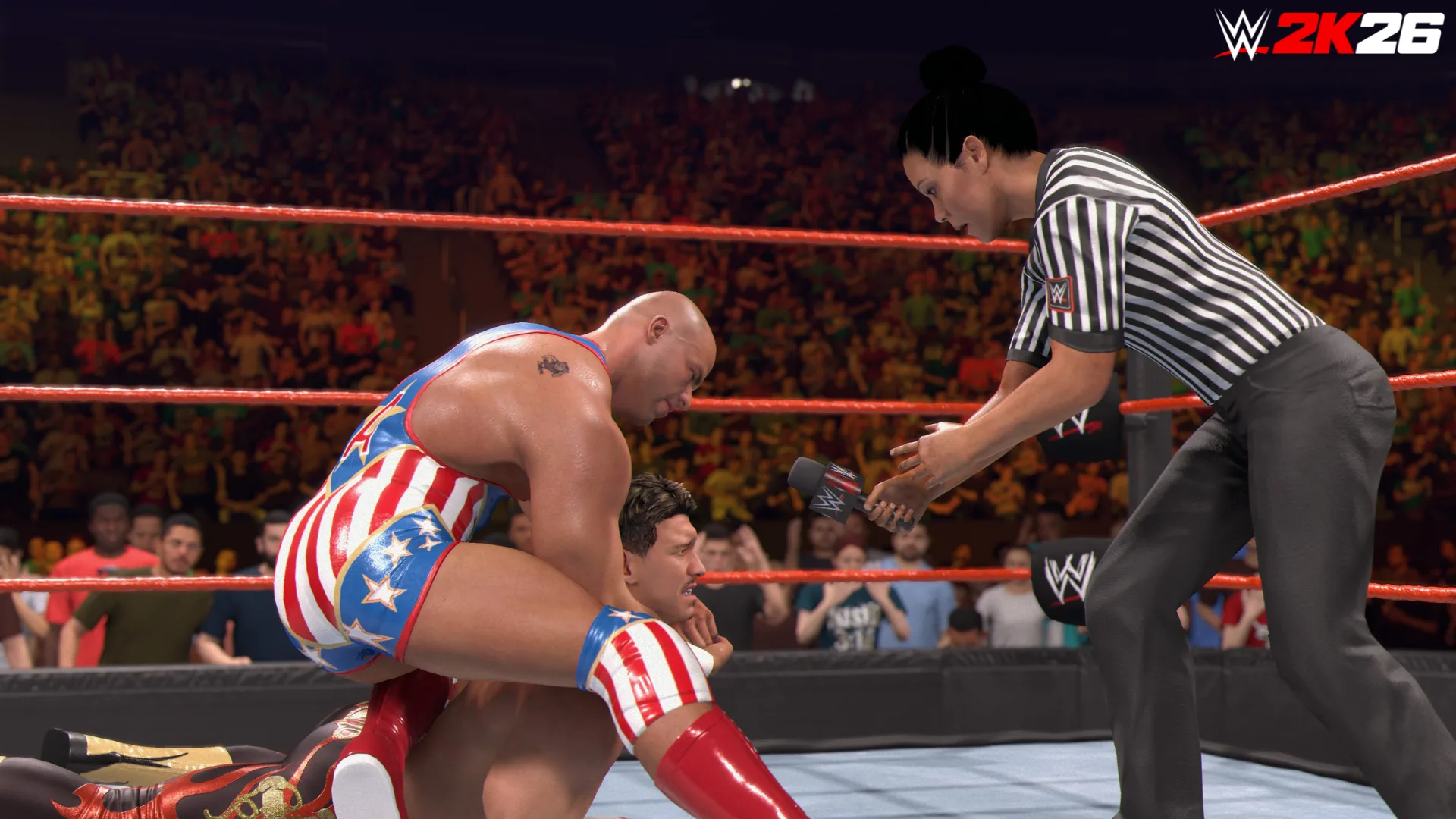
Visually, the game continues to impress. Character models, lighting, and presentation all push further towards that broadcast-TV feel WWE games have been chasing for years.
The entrances are slick, the commentary is sharper, and the overall spectacle is undeniably authentic. It may not be a generational leap, but it is still one of the best-looking wrestling games to date.
Content is where WWE 2K26 flexes hardest. With over 400 Superstars and Legends, it boasts the largest roster in franchise history, giving players an absurd amount of match possibilities.
The CM Punk-led Showcase mode stands out as a clear highlight, blending nostalgia with “what if” scenarios that long-time fans will appreciate.
Elsewhere, modes like MyRise, Universe, and MyGM return with incremental tweaks rather than major upgrades. There is still plenty to do, and for newcomers or lapsed players, this package feels massive.
But for long-time fans, it starts to feel a little too familiar, with some modes lacking meaningful evolution year-on-year.
And then there is the elephant in the room.

WWE 2K26 doubles down on monetisation in a way that is hard to ignore. The introduction of the Ringside Pass, alongside the continued reliance on MyFaction and in-game currency systems, pushes the game further into live-service territory.
Unlocking content often feels less about playing well and more about grinding endlessly or spending extra money, which undercuts the otherwise excellent gameplay.
Even modes like The Island, which have seen some improvements, still feel overly tied to progression systems designed to encourage spending rather than pure enjoyment.
It is a frustrating trend because the actual wrestling experience is so strong that these systems feel unnecessary and, at times, intrusive.
That said, WWE 2K26 is still a genuinely fun game. The sheer amount of content, the refined gameplay, and the overall presentation make it one of the most enjoyable entries in years. It just stops short of greatness because it plays things too safe while pushing players a little too hard towards their wallets.
WWE 2K26 doesn’t need a heel turn, but it could use a bit more ambition.