

Singapore’s heritage is not always found in grand monuments, conserved buildings or museum displays. Sometimes, it is sitting inside a roadside ice cream cart, hidden in an old family recipe or waiting to be rediscovered on one of Singapore’s Southern Islands.
A new generation of young heritage champions is digging into those stories through the Temasek Foundation-NUS Heritage Champions programme, with 10 student-led projects exploring some of the lesser-known people, traditions and experiences that have shaped Singapore.
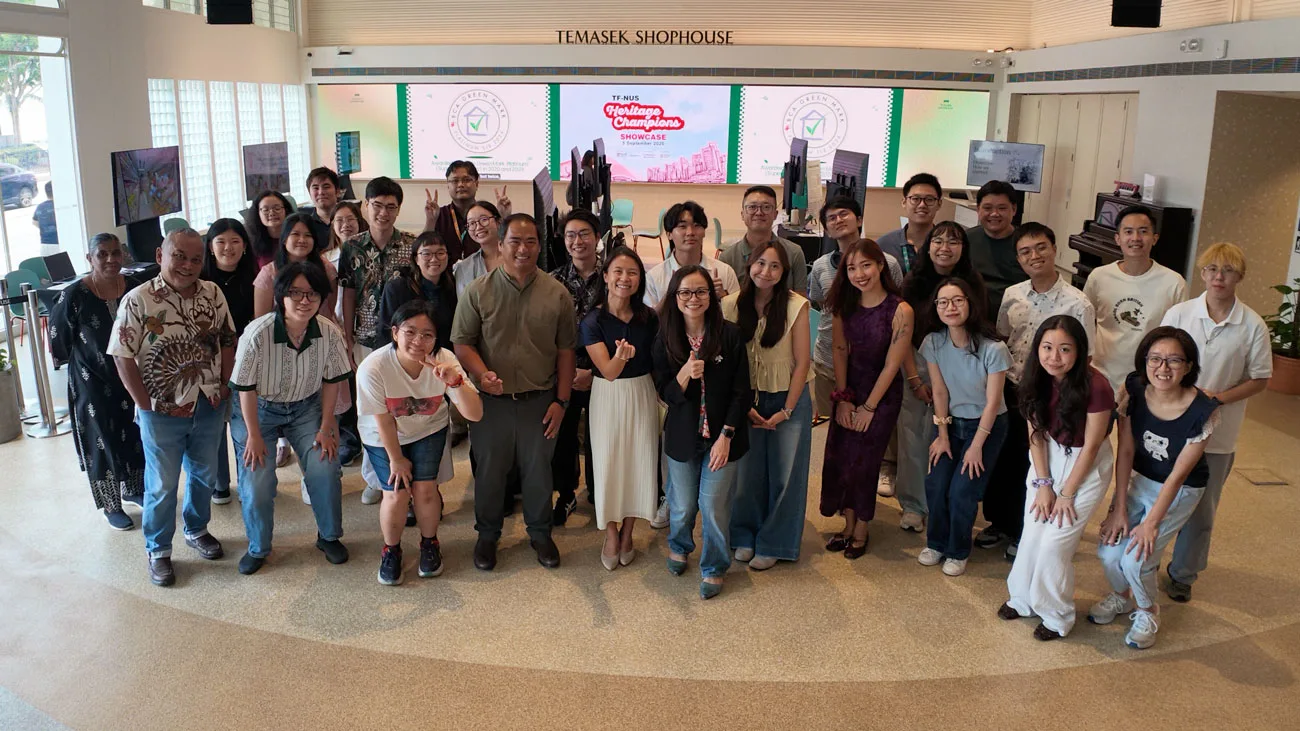
The projects were presented at the inaugural Temasek Foundation-National University of Singapore Heritage Champions Student Showcase at Temasek Shophouse on 5 September 2026.
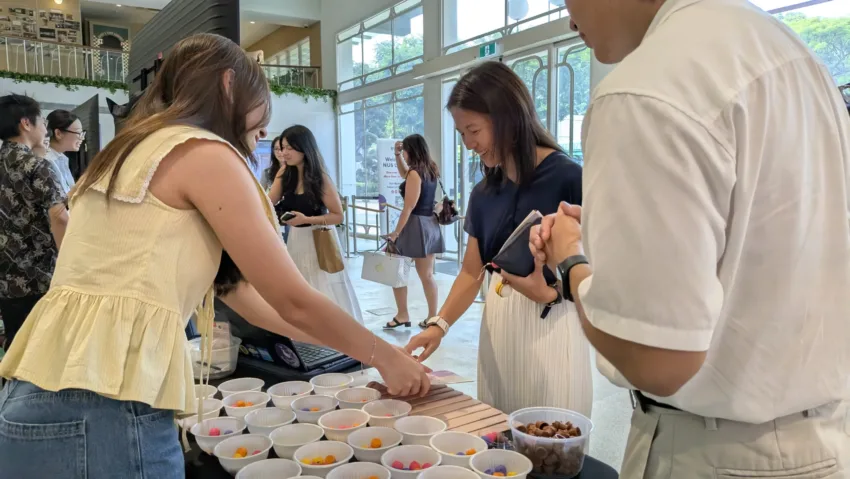
Rather than simply documenting history, the students have experimented with different ways of making it accessible to contemporary audiences. Their projects span children’s books, food, guided tours, workshops and community activities, covering subjects ranging from traditional ice cream hawkers and the Orang Laut to Singapore’s wartime food culture.
The showcase marks the culmination of two cohorts of the TF-NUS Heritage Champions programme, which was created to encourage young people to take a more active role in documenting and safeguarding Singapore’s heritage.
Over the two-year programme, 125 students from institutes of higher learning underwent heritage preservation training conducted by NUS Libraries, with support from the National Heritage Board. Students subsequently formed teams and developed proposals for community-based heritage projects.
Five teams from each cohort were selected to receive up to S$7,000 and six months to bring their ideas to life. Collectively, the 10 projects have reached more than 1,000 members of the public.
Among them is Scoops of Memory, a project looking at Singapore’s increasingly rare roadside ice cream hawkers. The team interviewed hawkers and turned their stories into a children’s book, preserving not just an iconic streetside sight but also the experiences of the people behind the carts.
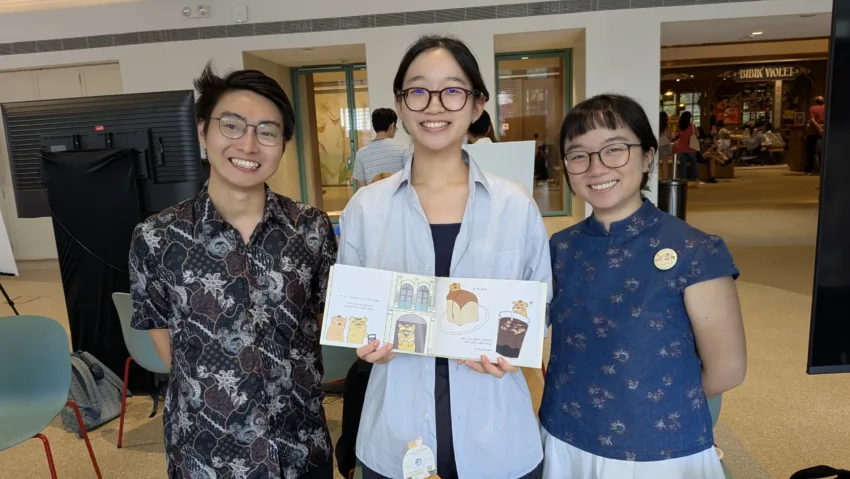
“Preserving heritage is not just about documenting the past but ensuring that the voices and memories from yesterday will be remembered tomorrow,” said 20-year-old Scoops of Memory participant Totaan Aljean Choong.
“Interviewing ice-cream hawkers and working with a small but resourceful team has taught me valuable lessons in research, interdisciplinary collaboration and perseverance. I am grateful to NUS Libraries and Temasek Foundation for giving us the opportunity to save a scoop of Singapore’s history for generations to come.”
Another project, Shore to Shore, turned its attention away from mainland Singapore and towards the Orang Laut communities and histories associated with the Southern Islands.
“Through Shore to Shore, we wanted people to see that Singapore’s story extends beyond the mainland, to the communities that once lived across the Southern Islands,” said 22-year-old Rachel Lie.
The team organised tours and workshops as part of the project, and Lie said the response has encouraged them to continue the initiative. Shore to Shore is now applying for a grant that could allow more people to experience the islands and engage with their histories firsthand.
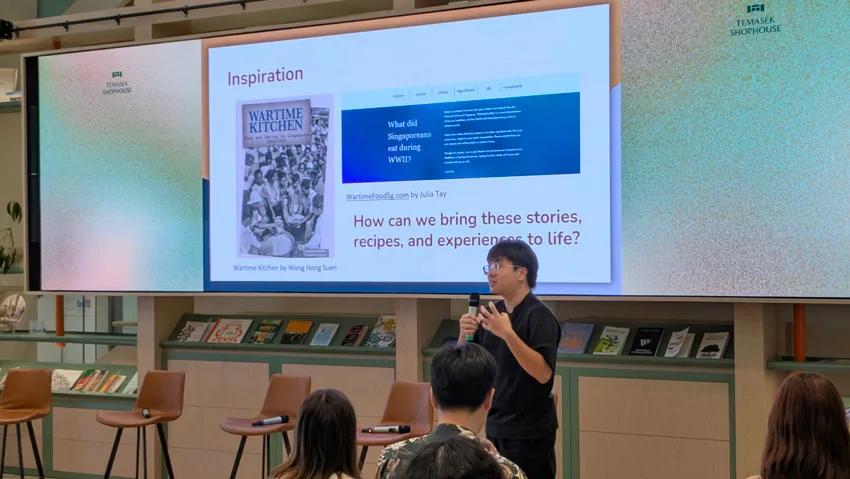
Other projects featured at the showcase included The Good OL Days, Wartime Tuckshop and Hainanese Cooked, demonstrating just how broad the idea of Singapore heritage can be when young people are given the opportunity to decide which stories deserve another look.
Associate Professor Natalie Pang, University Librarian at NUS, said that heritage extends well beyond Singapore’s monuments and historic buildings.
“It also lives in everyday experiences, memories, food, places and the stories of communities,” she said. “When young people take ownership of these stories and find new ways to share them, they help ensure that our heritage remains relevant and meaningful to future generations.”
That idea of ownership runs through the programme. Instead of asking younger Singaporeans simply to learn about heritage, it gives them the tools and resources to research it, interpret it and decide how those stories might best be told to their peers.

James Chan, Head of Programmes Office and Resilient Societies at Temasek Foundation, said heritage remains relevant when each generation finds its own way to reconnect with it.
“These young heritage champions have shown how Singapore’s heritage can be rediscovered and retold through new ideas, creative storytelling and community participation,” he said.
For the National Heritage Board, getting younger Singaporeans involved is also part of ensuring that stewardship of the country’s heritage continues from one generation to the next.
Jervais Choo, Deputy Director for Organisation Design and Innovation at the National Heritage Board, highlighted the connections participants had formed with heritage communities through their projects, saying the organisation hopes the experience will encourage them to remain active champions of Singapore’s heritage.
Singapore Heritage Society President Amira Karim similarly noted that the projects have surfaced both tangible and intangible aspects of the country’s past, including the skills of ice cream hawkers, wartime culinary traditions and stories of the Orang Laut.
Perhaps more importantly, she said programmes such as this can give young people the confidence and vocabulary to advocate for the histories and communities they care about.
That may ultimately be the most important part of the programme. Singapore will continue to change, and inevitably, some familiar places, practices and ways of life will change with it. Preserving heritage therefore cannot simply be about holding on to everything exactly as it was.
Sometimes, it starts with recognising that an ice cream cart, an old recipe or a journey across the Southern Islands has a story worth remembering.
And then finding a new way to tell it.